Nearby Locations: The Coast Westwards
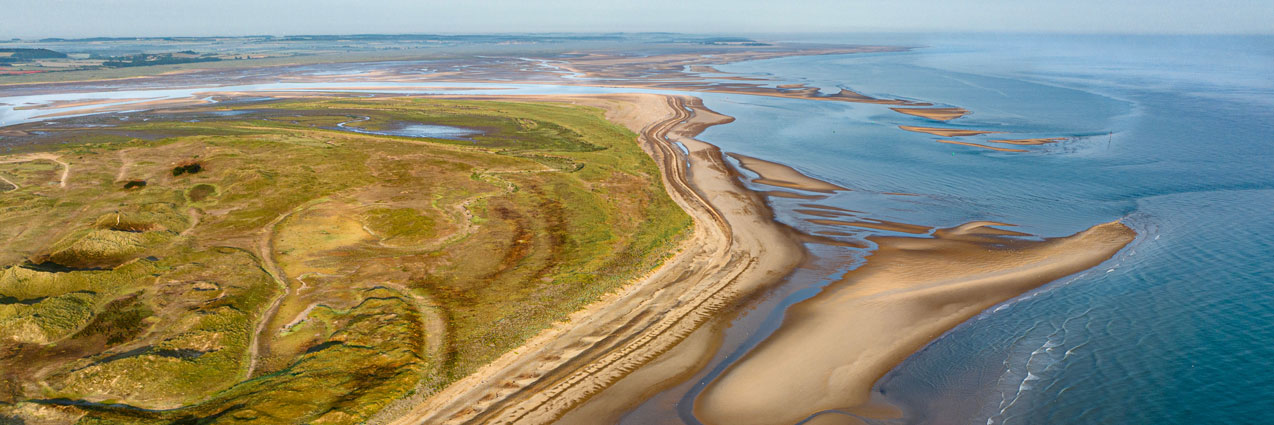
Heading west from the Roman Camp Caravan Park, the A149 coast road beyond Sheringham is one of the loveliest drives in England, threading through flint villages, salt marshes and harbours all the way along the Norfolk Coast National Landscape.
Weybourne and Kelling
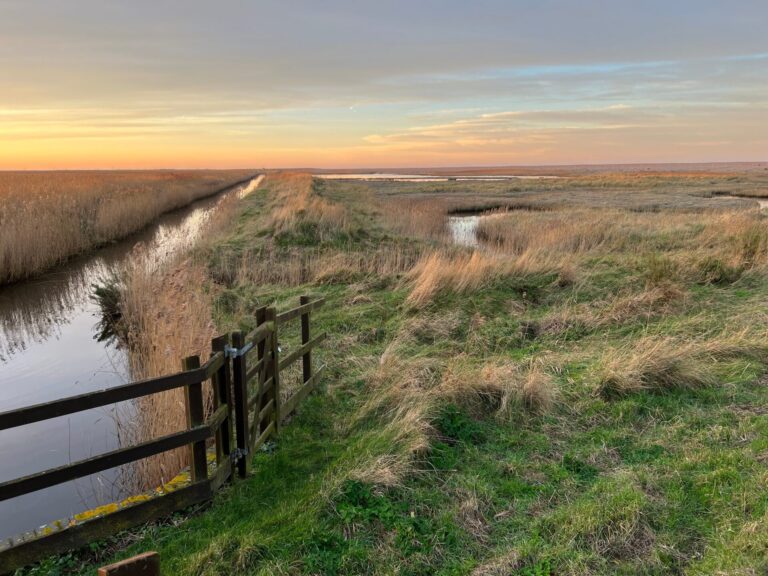
After Sheringham you reach Weybourne, where a left turn takes you up to Kelling Heath, 300 acres of open heathland and woodland with waymarked trails and wide views over the coast, or to Weybourne station on the Poppy Line. Just follow the signposts. Keeping to the A149, you will see the Muckleburgh Military Collection on your right.
Sited on a former anti aircraft training camp, it is the largest privately owned military museum in the UK, with tanks, artillery and armoured vehicles, daily military lorry rides and even tank driving experiences. It is open daily with a cafe, picnic area and play area.
Salthouse and Cley
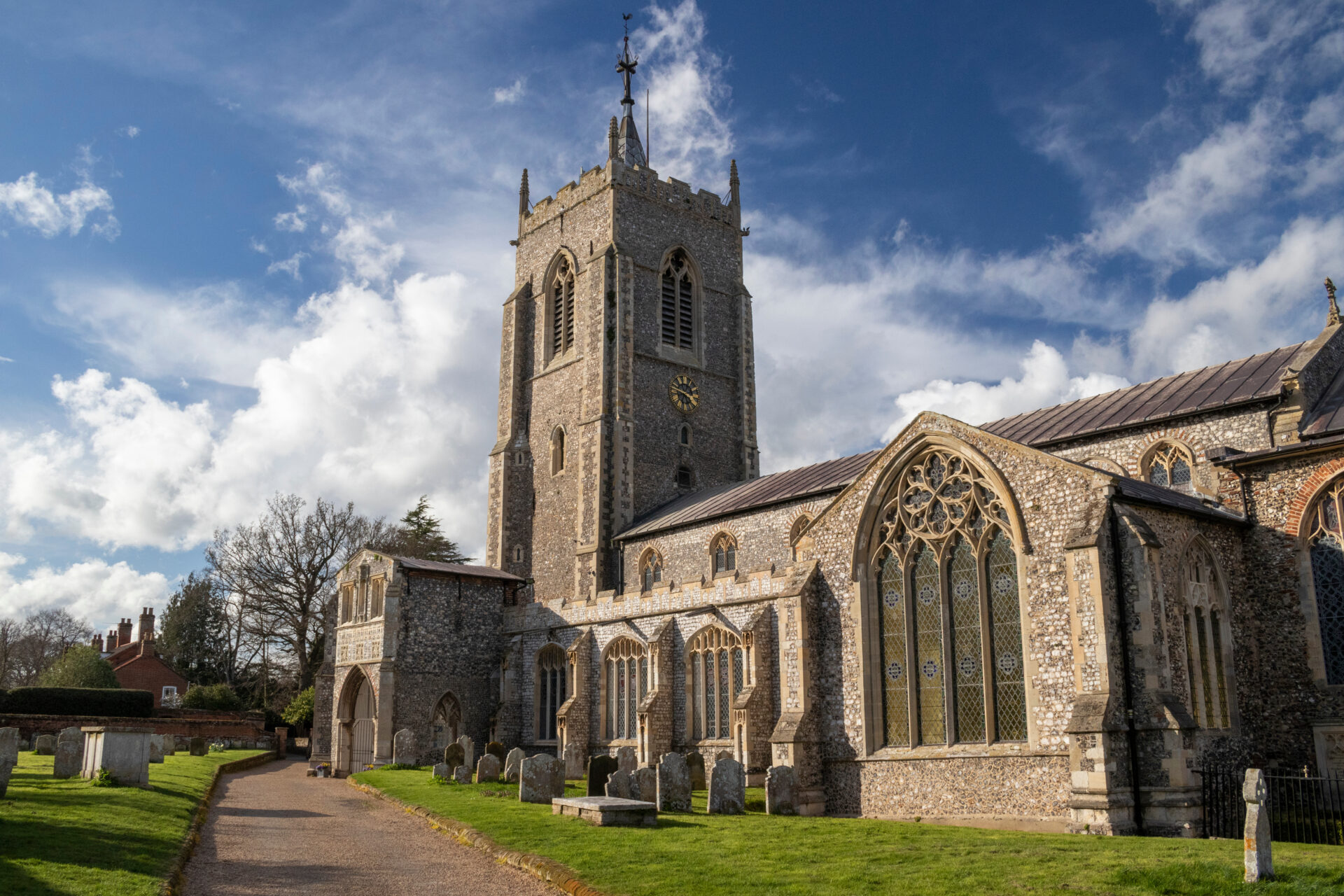
At Kelling a road forking left will take you over Salthouse Heath, or keep to the A149 for Salthouse village, with its large church up on the hill to your left. Just before you arrive at Cley-next-the-Sea you will pass the Norfolk Wildlife Trust’s Cley Marshes on your left, the oldest county Wildlife Trust nature reserve in Britain and a mecca for birdwatchers, with an award winning visitor centre and cafe overlooking the reedbeds. The windmill and church at Cley are among the most photographed sights in Norfolk, and the narrow road through the village can be a challenge to your driving skills!
Blakeney and Morston
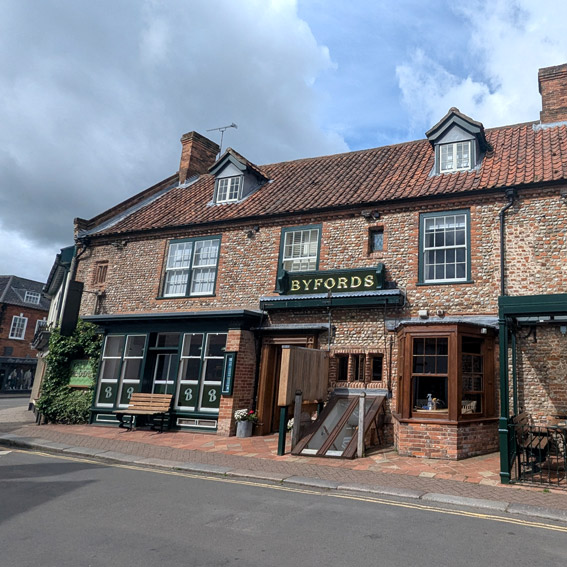
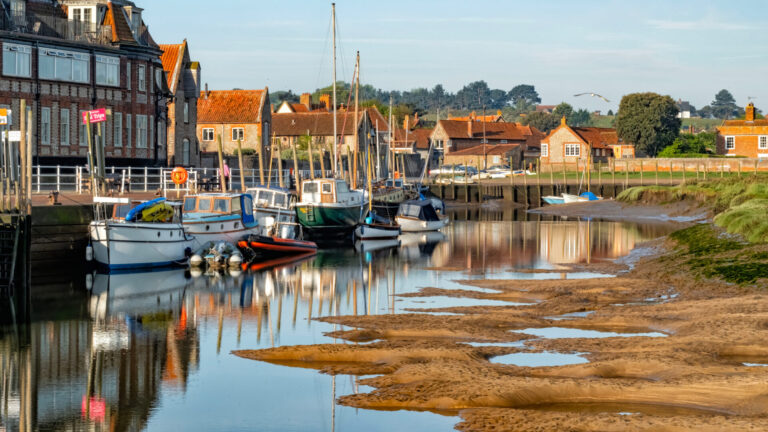
Blakeney is the next village, its church on your left as you approach. Find out why it has two towers! Roads to your right lead down to Blakeney Quay and the National Trust car park, and a good variety of shops, galleries, pubs and eating places abound. From the car park a walk along the sea bank leads out towards Blakeney Point, a National Nature Reserve renowned for its bird life and seals.
Further along the A149, Morston is the place for boat trips to see the seals at Blakeney Point from the water. Beans Boats have been running trips from Morston Quay for over 80 years, getting you up close to the grey and common seal colonies on an hour long voyage. Booking ahead is advised.
Binham Priory
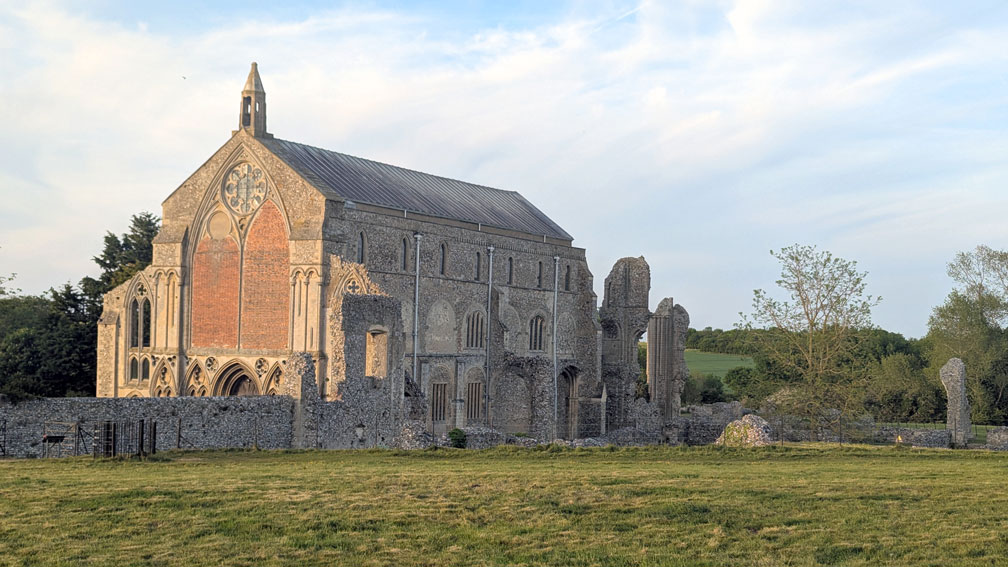
Binham Priory can be reached from a road to the left just before Blakeney, and it is well worth the detour. Founded in 1091 by a nephew of William the Conqueror, it is among the most impressive monastic ruins in Norfolk, and its magnificent Norman nave is still in use as the parish church. Entry is free and there is a cafe by the car park.
Wells-next-the-Sea
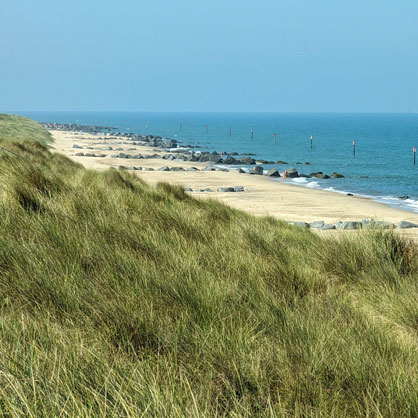
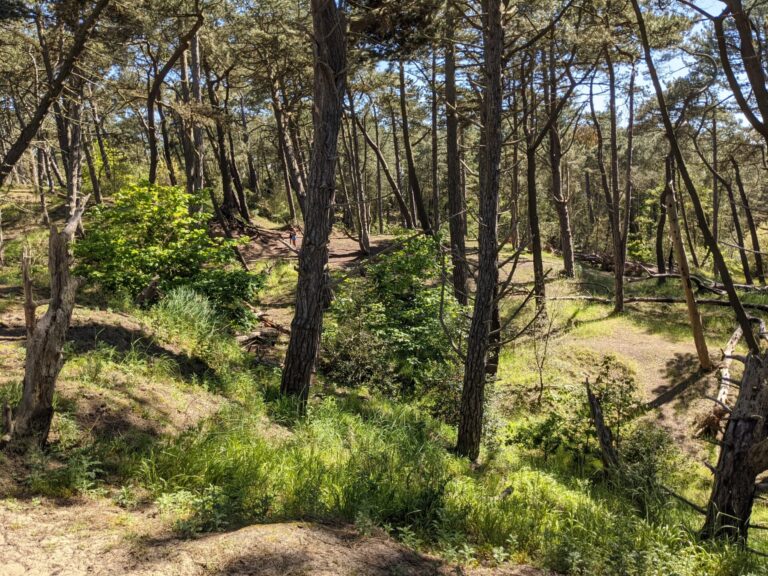
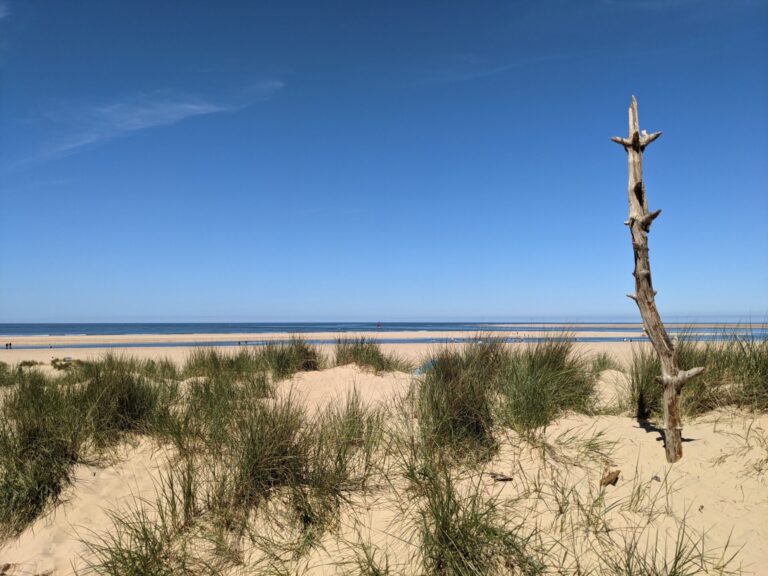
Continuing from Morston, the next town is Wells-next-the-Sea, well worth stopping to explore. The quay still retains its old harbour feel, and children armed with lines and buckets catch crabs off the quayside all summer long. A drive or a walk along the mile long sea bank to the beach car park among the pines is well worth it, as the vast sandy beach with its famous row of colourful beach huts is one of the finest in the country.
The Burnhams and Beyond
Onwards along the A149 from Wells are “The Burnhams”, a group of villages that make up Lord Nelson’s home territory. England’s greatest naval hero was born at Burnham Thorpe in 1758. Beyond lie Brancaster, Holme and Hunstanton, which are covered on our page about the coast further west.
Walsingham
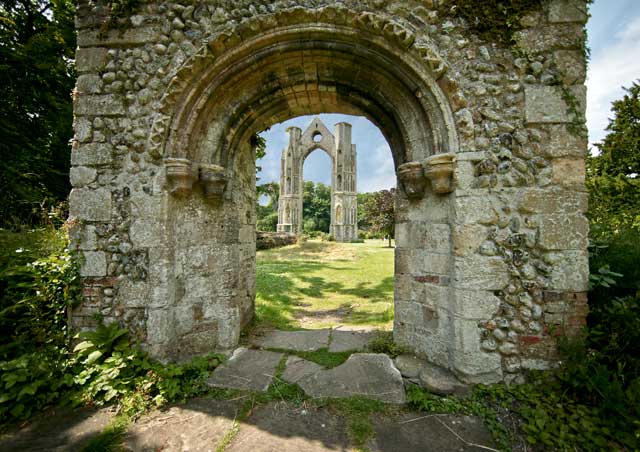
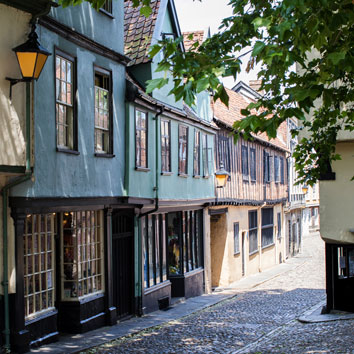
A left turn at Wells leads inland to Walsingham, a village for discovery throughout the year. A place of pilgrimage since 1061, when the Lady Richeldis had her famous vision, it was once one of the greatest shrines in medieval Europe, and its streets are full of timber framed buildings and Georgian facades.
To be seen here are Walsingham Abbey Grounds, with the ruins of the medieval priory and spectacular snowdrop walks in early spring, the adjoining Shirehall Museum with its original Georgian courtroom, the Anglican Shrine of Our Lady of Walsingham, the Slipper Chapel, now the Basilica of Our Lady at the Catholic National Shrine, the Methodist Chapel, one of the oldest in East Anglia, and the Chapel of St Seraphim, a Russian Orthodox chapel housed in the old railway station.
The Wells and Walsingham Light Railway
An alternative and altogether more charming way of travelling to Walsingham is aboard the Wells and Walsingham Light Railway, the longest 10¼ inch gauge steam railway in the world. The four mile journey from the edge of Wells takes about half an hour through lovely rolling countryside. There is no need to book; just turn up and pay at the ticket office.